GTAVI
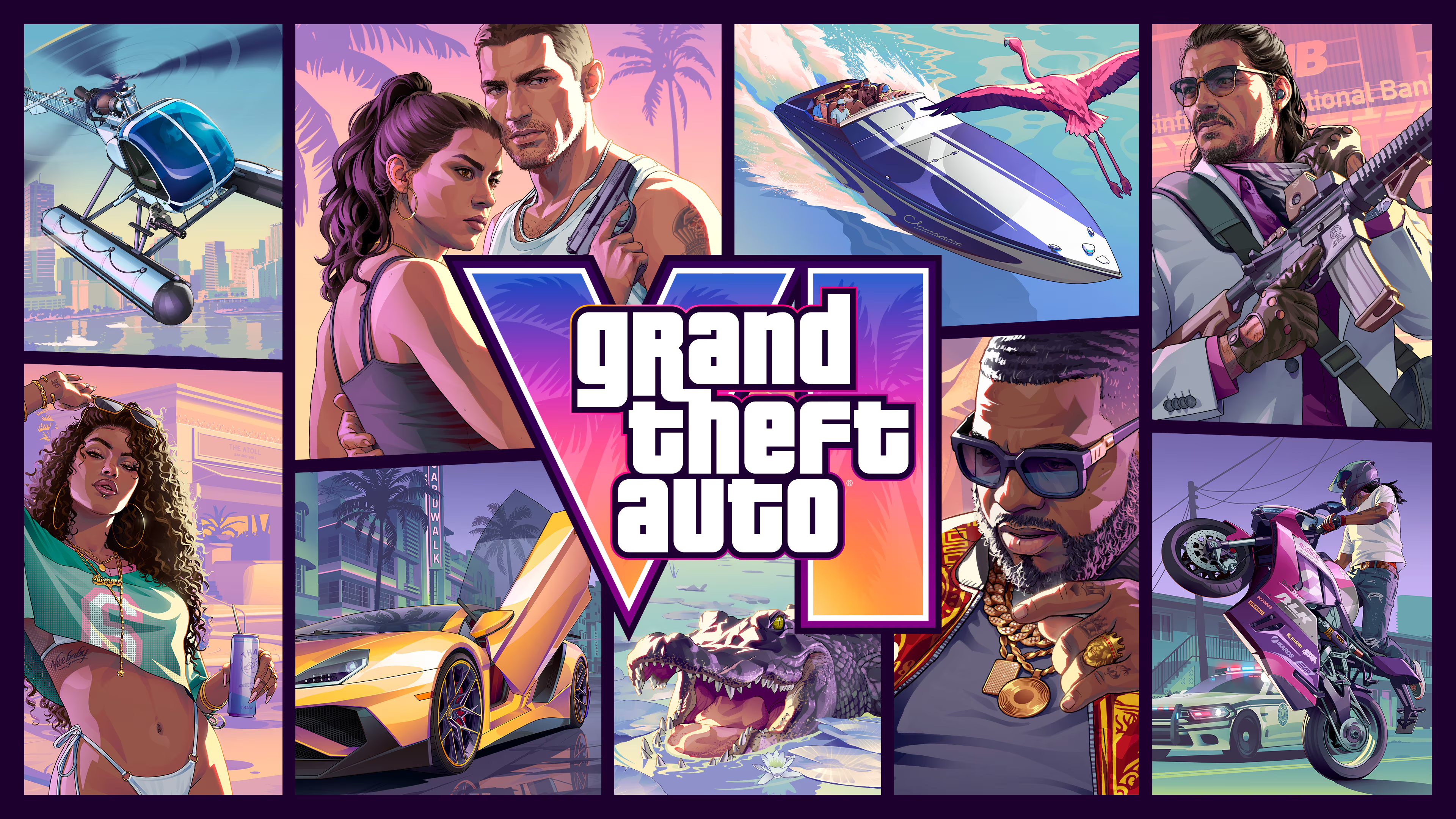
Grand Theft Auto VI is one of the most anticipated entertainment releases of all time. Set in a reimagined Vice City, the game follows Lucia and Jason — a couple navigating the criminal underworld of Leonida. Rockstar Games spent over a decade crafting a living, breathing open world with unprecedented detail, dynamic AI, and a story-driven experience that pushes the boundaries of interactive entertainment.
A Decade in the Making
We entered the final stretch this year and the energy at the studio is unlike anything I've experienced. The game is feature-complete and we're in full polish mode —squashing edge cases, tightening animations, balancing the economy, making sure every system plays nicely with every other system. I've been living in bug triage, but the good kind, where each fix makes the world feel a little more real. Two whole days were spent tuning the way rain pools on asphalt so the reflections look right at different times of day. Small stuff, but it's the small stuff that makes Vice City feel like a place.
Pre-orders went live and the numbers were staggering. Seeing the industry and the community rally around something I've been quietly building for years is hard to describe. We did a press tour in the spring — my first time speaking publicly about the work — and I found myself getting emotional talking about the NPC memory system I prototyped back in 2024. People actually cared about the things I'd worried over in isolation.
The marketing team has been rolling out cinematic shorts and each one feels like a little love letter to the world we built. I've been reviewing captures for accuracy — making sure the lighting, the crowd behavior, the weather all match what's actually in the game. There's a strange pride in knowing that what people see in the trailers is real, not faked. Launch is weeks away now. I oscillate between calm confidence and quiet terror. Mostly, I just want the world we built to speak for itself.
This was the year everything crystallized. I'd been deep in the dynamic weather system for over a year, and in 2025 I finally got it all singing — rainstorms that drain the beaches, humidity that fogs up car windows, traffic patterns that shift with the time of day. I remember driving through Vice City at sunset during a playtest and realizing I couldn't tell if what I was seeing was scripted or emergent. That was the moment I knew the world was alive.
The second trailer dropped in May and it was a completely different experience from the first one. This time I could point at specific things — the way Lucia's hair moved in the wind, the wet asphalt reflections, the crowd density on Ocean Drive — and say "I built that." Watching the community dissect every frame, making compilation videos of details I'd agonized over for weeks, was deeply validating.
The final stretch before launch was intense. We were polishing, optimizing, fixing edge cases that only appear when a million simulated systems collide. I spent three weeks tracking down a bug where pelicans would steal fish from anglers and drop them on cars, causing a cascading traffic pileup. It was hilarious and I almost didn't want to fix it. But we shipped clean, and that bug became a legendary post-launch meme anyway.
We pushed the release window to fall 2025, and I was one of the loudest voices arguing for it. I'd been prototyping a memory system for NPCs — characters who remember how you treated them, carry grudges, react differently if you cross paths again weeks later. It was the most ambitious thing I'd ever attempted and it simply wasn't ready. The extra months gave me time to get it right, and the difference was night and day.
That year I also took on more of a leadership role, mentoring two junior designers who'd never shipped a title of this scale. Teaching someone else how to think about emergent systems forced me to articulate things I'd always done on instinct. I wrote a 40-page internal doc on open-world AI philosophy that apparently made the rounds at other studios. I'm told it's still required reading for new hires.
The second trailer was held back to give us time to polish, which was the right call but felt agonizing at the time. I used the quiet to prototype a day-night cycle for wildlife — alligators hunting at dusk, herons fishing at dawn. Nobody asked for it. It just felt like Vice City should have it.
The first official trailer shipped in December and broke viewing records — I'd been working on the cinematic camera that frames the city at golden hour, and seeing my work in front of millions was the moment it all felt real.
The leak hit us hard — over 90 videos of in-development footage surfaced, including a mission I'd been iterating on for months, but we regrouped, tightened security, and the community's support pushed me to work harder.
I led the prototyping for the dual-protagonist system where Lucia and Jason's relationship shapes gameplay — we hit a playable vertical slice that year and I could finally feel what the final game would become.
Working from home during the pandemic, I adapted my workflow for the living-world simulation — prototyping more in-engine and communicating through recorded captures instead of pointing at a screen together.
Crowd and traffic AI prototypes entered full production development.
Vice City and dual protagonists became the project's central direction.
Engine and world simulation prototypes quietly entered development.
Early concept work began on systems for a living, responsive city.